The Best Paper for Paper Flowers: Cardstock, Crepe, Tissue and More
Cardstock, crepe, tissue and text-weight paper each suit different flowers. Compare weights, strengths and weak points, then match the paper to the project.
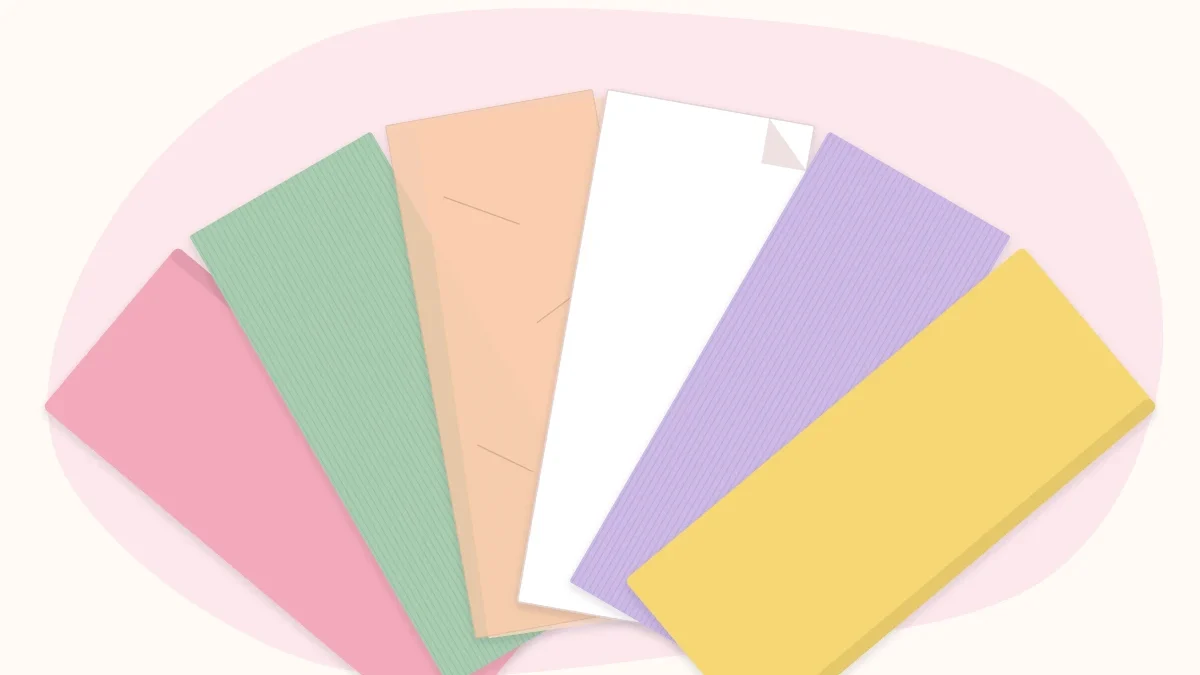
There is no single best paper for paper flowers. The right choice depends on the flower: cardstock for crisp, sturdy shapes, crepe paper for soft, lifelike petals, tissue for light and fluffy blooms, and text-weight paper for small rolled or folded flowers. Knowing what each paper does well, and where it fails, saves a lot of wasted sheets.
Quick comparison
| Paper | Typical weight | Shapes by | Best for | Weak point |
|---|---|---|---|---|
| Cardstock | 65 to 80 lb cover (about 176 to 216 gsm) | Curling, creasing, scoring | Wall flowers, giant flowers, rolled roses, wreaths | Cannot stretch; heavy weights crack when folded sharply |
| Text-weight paper | About 80 to 120 gsm | Folding, rolling, light curling | Small flowers, accordion folds, practice pieces | Too limp for large petals |
| Crepe paper | Light (around 60 gsm) to heavy (around 180 gsm) | Stretching and cupping | Realistic roses, peonies, tulips | Fine crepe tears easily; colors can fade in sun |
| Tissue paper | Very light, usually under 30 gsm | Layering, gathering, fluffing | Pom flowers, soft ruffled centers | Tears easily; soaks up wet glue |
The weights are typical ranges, not rules. Packaging is not always consistent, so when possible, handle a sheet before buying a whole pack.
Paper weight, briefly
Two systems appear on packaging in the US. Gsm (grams per square meter) is the weight of one square meter of that paper, so a higher number always means a heavier sheet. Pounds (lb) depend on the paper category: 65 lb cover stock is far heavier than 65 lb text paper, because the two categories are weighed at different sheet sizes. If a pack lists both, compare by gsm. It is the only number that works across paper types.
Cardstock: structure and clean edges
Cardstock holds whatever shape it is given. A curl made over a scissor blade or a crease scored down a petal stays in place for good, which is why cardstock is the standard choice for anything that hangs upright or needs to keep a flat back.
- 65 lb (about 176 gsm) is the most forgiving all-round weight: stiff enough to stand, light enough to curl and to cut several layers at once.
- 80 lb (about 216 gsm) suits large backdrop petals that must not droop, such as those on oversized cardstock flowers.
- Heavier than that is hard to roll and tends to crack along folds.
Look for solid-core cardstock, colored all the way through. White-core sheets show a white line at every cut edge and tear, which is very visible on dark colors.
Crepe paper: stretch and realism
Crepe paper is crinkled during manufacturing, and those tiny crinkles let it stretch. Pull the middle of a petal gently sideways and it forms a cup, the way a real petal curves. No other paper does this, which is why crepe is used for the most lifelike flowers.
- Heavy crepe (around 180 gsm) stretches a long way and holds deep cups. It suits roses and peonies and is the easiest crepe for beginners because it is hard to tear.
- Lighter crepe (around 60 to 90 gsm) gives finer, more delicate petals for small flowers, with less stretch.
- Party streamers are a very thin crepe. They work for practice and for fringe, but not for shaped petals.
Crepe has a grain, the direction of the crinkle lines, and petals must be cut with the grain running from base to tip. The beginner’s guide to crepe paper explains grain and stretch in detail.
Tissue paper: volume for almost no weight
Tissue is too thin to hold a shape as a single petal. Its strength is in numbers: eight or ten sheets stacked, folded and fluffed make a full, soft bloom that weighs almost nothing, which is ideal for hanging decorations. The classic tissue pom flower uses exactly this idea. Use a glue stick or tiny dots of tacky glue with tissue; wet glue soaks through, wrinkles the paper and can make colors bleed.
Text-weight and printer paper
Ordinary colored paper, somewhere around 80 to 120 gsm, is thin enough to fold many times and roll tightly. It is the best choice for accordion-fold flowers, small spiral roses and any practice run of a new template. Its limit is size: petals longer than about 3 inches (7.5 cm) start to flop.

Papers that look tempting but cause trouble
- Construction paper: soft, fuzzy at the cut edge, and it tends to fade quickly in light. Fine for a children’s craft afternoon, less so for a flower meant to last.
- Glossy or coated paper: glue struggles to grip the surface, and the coating can crack when curled.
- Glitter cardstock: stiff, hard on scissors, and difficult to shape. Use it for flower centers only.
- Vellum and very thin specialty sheets: beautiful, but they wrinkle with wet glue and show every fingerprint.
Match the paper to the project
| If you are making | Reach for |
|---|---|
| A first flower, any kind | 65 lb cardstock or text-weight paper |
| A realistic rose, peony or tulip | Heavy crepe paper |
| A wall display or backdrop | 65 to 80 lb cardstock |
| Hanging party flowers | Tissue paper |
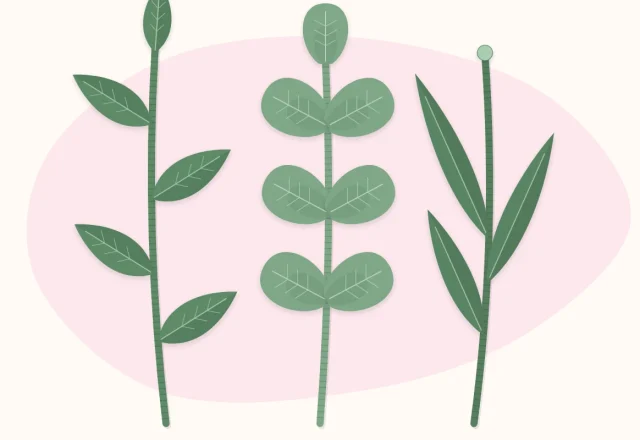
| Leaves | Cardstock, or heavy crepe for wired leaves |
| Fringed centers | Text-weight paper or crepe |
Color, fading and keeping flowers looking good
All dyed paper fades with enough light, and strongly colored crepe and tissue are often among the quickest to change. For flowers meant to be kept, choose paper labeled acid-free where it is available and display the finished piece away from direct sun. The Library of Congress has a plain-language explanation of why paper deteriorates that is useful background on light, acidity and humidity.
Tip
Buy small before buying big. One mixed pack of 65 lb cardstock and one fold of heavy crepe in a favorite color are enough to try both families of flowers. The beginner’s materials checklist covers the tools that go with them.
Frequently asked questions
What weight of cardstock is best for paper flowers?
65 lb cover stock (about 176 gsm) is a forgiving all-round choice: stiff enough to hold its shape and light enough to curl and cut in layers. Large backdrop petals often do better in 80 lb (about 216 gsm).
Can regular printer paper be used for paper flowers?
Yes, for small flowers. Text-weight paper folds and rolls easily, so it suits accordion flowers, small spiral roses and practice pieces. Petals longer than about 3 inches (7.5 cm) tend to flop.
Is crepe paper or cardstock better for beginners?
Cardstock is simpler for a first flower because it only needs cutting, curling and gluing. Heavy crepe paper is the better choice once the goal is a realistic, cupped petal, and it is sturdy enough for beginners to handle.
What is the difference between gsm and lb on paper packaging?
Gsm is the weight of one square meter of the paper, so it compares directly across all paper types. Pound ratings depend on the paper category, which is why 65 lb cover stock is much heavier than 65 lb text paper.